
Target: Shop. Style. Save.
Target CorporationShopping
4.9105.36K Reviews
- Version
- 2026.44.0
- Installs
- 10.00M
- Age Rating
- Everyone
Screenshots
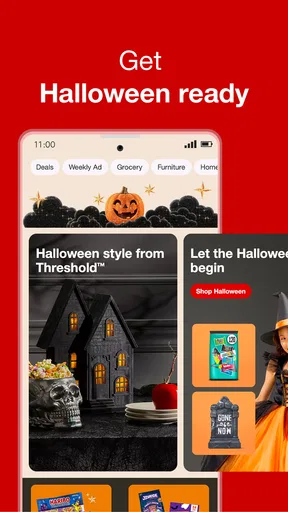
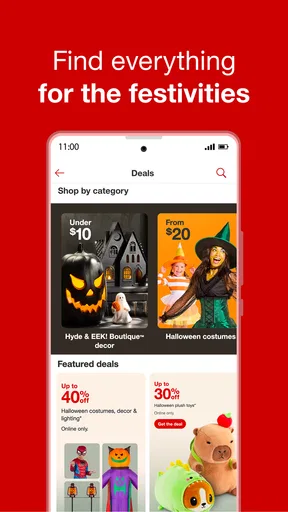
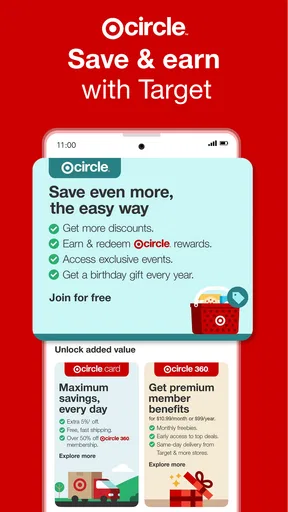
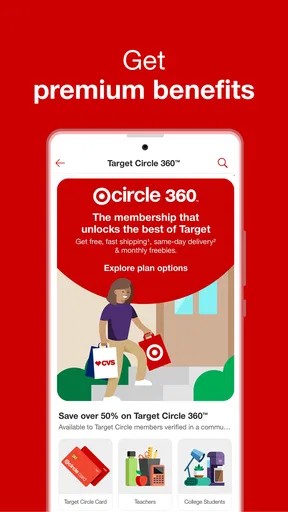
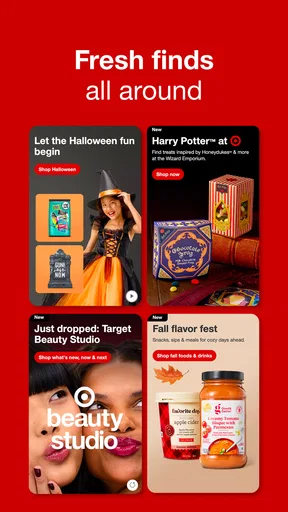
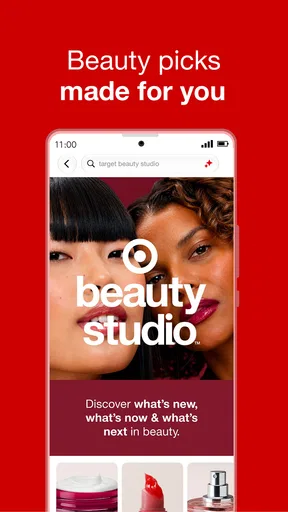
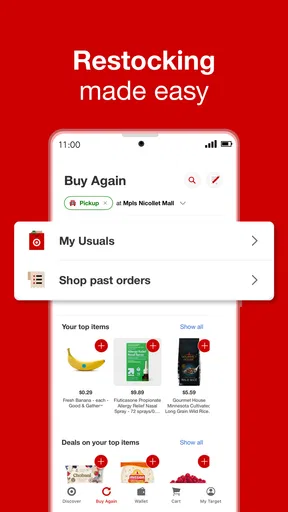
Our Review of Target: Shop. Style. Save.
 Analysis by Appyee
I installed Target: Shop to see whether it feels useful as an everyday shopping companion rather than just another store app. My overall impression is that it works best when I already know what I need and want a quicker way to find it, check the available options, and keep my Target shopping organized. It is a free shopping app from Target Corporation, aimed at browsing fashion, beauty, household essentials, accessories, and home decor from a phone.
The app has been around since Aug 31, 2010, and its current version is 2026.33.0. That long history matters because this is not a small experiment or a narrowly focused marketplace. It is built around Target’s own retail catalog and shopping experience. I also found the broad audience positioning reassuring: the content rating is Everyone, and the app supports Android 9 or later.
How Target: Shop fits into everyday shopping
My first useful takeaway is that this app makes the most sense as a bridge between browsing and a real shopping trip. I can open it while planning a weekend errand, search for a particular product, compare variations, and decide whether it is worth going to a store or handling the purchase another way. That is more practical than casually scrolling through a large catalog with no plan.
The store summary focuses on deals across clothing, beauty, essentials, accessories, and home decor, but the stronger value is the way those areas sit together. A person shopping for a birthday gift can move from accessories to beauty products without changing apps. Someone furnishing a room can look at decor and then switch to practical household items in the same session. I found that useful when my shopping list crossed several departments.
Search is especially important here. When I use a retailer app, I usually do not want a long editorial shopping journey; I want to reach a product family quickly and then narrow my decision. Target: Shop is most comfortable in that role. It is also a reasonable place to browse when I have a general idea, such as “something for a small kitchen” or “a simple self-care gift,” but not a precise item.
There is a trade-off. A broad catalog can make the app feel busy, particularly when I am only looking for one inexpensive item. The same range that makes the app versatile can also create extra scrolling and comparison work. I would not call that a flaw unique to Target, but it does mean the app rewards a clear shopping goal more than completely aimless browsing.
What the free price really means
The app itself is free to download and use. That is the clearest value point: I can access Target’s mobile shopping experience without paying an app subscription or an upfront purchase price. The free entry makes it easy to try for a specific shopping task instead of committing to another paid service.
That should not be confused with free products or free shopping. The app is a retail storefront, so the items I choose still have their own purchase costs. The useful question is whether the convenience of mobile browsing, planning, and shopping justifies using it. For me, it does when I am already considering Target or need to coordinate several types of products in one place.
I also appreciate that the price of the app does not force a separate decision about whether a paid membership is worthwhile. Someone can install it, use it for occasional shopping, and stop there. That makes it easier to recommend to a friend who shops at Target only from time to time. The value comes from saving effort and improving organization, not from an app fee.
Because product totals depend on what I put in the basket, I would avoid treating the application as a guarantee of the cheapest possible purchase. For a single commodity item, a dedicated price comparison tool or another retailer may be better. Target: Shop earns its place when the convenience of one retailer’s assortment matters more than checking every seller for the lowest price.
Useful workflows beyond simple browsing
One of the less obvious strengths is using the app before leaving home, not only at the moment of purchase. I can turn a vague errand into a short plan: search for the items, inspect the available choices, and remove products that do not fit the need. This reduces the chance of wandering through several departments and buying whatever catches my eye.
A second useful workflow is separating inspiration from commitment. I can browse home decor or accessories when I have time, then return later with a more specific idea. That is better than making an impulsive decision during a rushed store visit. I find this especially helpful for gifts, where seeing several related categories in one app can produce better ideas than searching for one exact phrase.
A third insight is that the app can serve as a decision filter, not merely a digital shelf. I use it to answer practical questions before shopping: Is this the right type of item? Does another color or style make more sense? Is the product category broad enough to justify visiting Target? Even when I ultimately decide not to buy, that preparation can make the trip more efficient.
For a realistic example, imagine that I need a small housewarming gift, a few bathroom essentials, and something to wear for a casual event. Instead of opening separate apps for clothing, personal care, and household goods, I can explore all three areas in one Target session. I still need to make the final judgment about quality and cost, but the planning stage is less fragmented.
Where the experience can become frustrating
The biggest limitation is that a retailer app cannot remove the uncertainty that comes with shopping for physical products. A picture and description may help me narrow the field, but they do not fully replace seeing fabric, checking size in person, or judging the finish of home decor. For these decisions, a store visit remains more informative.
I also would not use it as my only research tool for an expensive or highly specialized purchase. Target: Shop is strongest for ordinary retail needs and category browsing. If I need deep technical specifications, professional advice, or a wide view of independent sellers, a specialist retailer or comparison service may provide a better basis for the decision.
Another trade-off is attention. The app is designed around shopping, so browsing can easily become an invitation to add more items than I originally planned. My practical solution is to open it with a short list and a spending limit in mind. That simple habit makes the app more useful and helps prevent convenience from turning into unnecessary purchases.
People who dislike retailer-specific apps may also find the experience redundant. If I already have a reliable way to compare several stores and rarely shop at Target, installing another catalog may not add enough value. In that situation, a general shopping search tool is more efficient because it keeps alternatives visible from the beginning.
Who gets the most value from it?
I think the best audience is someone who shops at Target regularly or wants a single place to plan mixed-category purchases. Parents, gift shoppers, students setting up a room, and people managing recurring household errands can all benefit from having fashion, beauty, essentials, accessories, and decor within the same shopping environment.
It is also a good fit for people who prefer to research quietly before entering a store. I often make better decisions when I can pause, compare a few options, and avoid making every choice under time pressure. The app supports that style of preparation, even though it cannot replace hands-on inspection for every product.
Occasional shoppers can still get value because the app is free. A person does not need to use it daily to justify trying it. If I am preparing for a holiday, moving into a new place, or looking for several gifts, the ability to browse multiple departments in one session is enough reason to install it temporarily.
On the other hand, I would skip it if my priority is always the lowest price across every available retailer. I would also look elsewhere if I need a specialist marketplace, detailed professional guidance, or a buying experience independent of one chain. The app is not a universal shopping research tool; it is a focused way to shop Target’s assortment.
Performance, reach, and confidence in the platform
The app’s scale gives it a certain reassurance. It has more than 10 million installs, an average rating of 4.9 from about 421 thousand ratings, and roughly 104 thousand written reviews. Those figures do not guarantee that every person will have a smooth session, but they indicate that the app is widely used and has earned strong overall approval.
I would still treat ratings as a starting point rather than a promise. Shopping satisfaction depends on the product, the order, the store experience, and personal expectations. A high average can tell me that the app is broadly trusted, while my own decision should depend on whether Target’s assortment and shopping model match what I need.
The developer is Target Corporation, which keeps the app closely tied to the retailer rather than presenting it as an independent marketplace. That is a benefit when I want Target’s own selection in one place. It is a limitation when I want a neutral comparison of competing stores. Understanding that distinction prevents disappointment: this is a retailer app first, not a universal shopping assistant.
What its long-running presence means
Its release history and current version show a product that has continued into a recent iteration, rather than an app abandoned after an initial launch. That is useful context for existing users deciding whether to keep it: the core purpose remains focused on shopping Target’s assortment, while a version number alone does not tell me which particular changes will matter in a daily session.
For someone returning after a break, I would approach it as a current shopping tool and check the screens relevant to the next errand instead of assuming an old routine still fits perfectly. The practical test is simple: can I find the item, compare the choices, and plan what I need with less effort than my usual method? If yes, the latest version is doing its job for me.
My recommendation after using it
Target: Shop is worth trying if Target is already part of your shopping routine. Since the app is free, the barrier to testing it is low, and I can see a clear benefit for planning household purchases, browsing gifts, and combining several departments in one session. The strongest experience comes from using it with a purpose rather than treating it as endless entertainment.
I would recommend starting with one concrete task. Search for a product you genuinely need, explore nearby alternatives, and see whether the app makes your planning easier than your usual method. Then try a mixed shopping list to judge its broader value. That approach reveals more than simply scrolling through the opening catalog.
My final judgment is positive but specific. This is not automatically the best choice for price comparison, specialist research, or people who rarely shop at Target. For regular Target customers and anyone who values a free, centralized way to explore fashion, beauty, essentials, accessories, and home decor, it is a practical addition to a phone. I would keep it installed for planned shopping, while still using other tools when the purchase demands deeper comparison or hands-on evaluation.
Privacy and Permissions
See what permissions an app requests and how it handles your data.
- Location
- approximate location (network-based), precise location (GPS and network-based)
- Camera
- take pictures and videos
- Wi-Fi connection information
- view Wi-Fi connections
- Other
- view network connections, pair with Bluetooth devices, access Bluetooth settings, control flashlight, full network access, run at startup, control vibration, prevent device from sleeping, read Google service configuration
Verdict
Strengths of Target: Shop. Style. Save.
- Easy access to weekly deals, coupons, and Target Circle offers
- Multiple payment options, including the Target RedCard
- Convenient in-store pickup and Drive Up order collection
- Store locator shows nearby locations, hours, and available services
- Barcode scanning helps compare prices and check product details
Limitations of Target: Shop. Style. Save.
- Some deals require a Target Circle account or specific eligibility
- Product availability can change before pickup or delivery is completed
- The app may send frequent promotional notifications by default
- Large catalogs can make finding specific products feel time-consuming
- Certain features work best in the United States and may not apply elsewhere
Similar Picks in This Category
View All
SHEIN-Shopping Online
Roadget Business PTE. LTD.4.8

Amazon Shopping
Amazon Mobile LLC4.4


Mercado Libre: Compras online
Mercado Libre4.8

Wish: Shop and Save
Wish US Holdings LLC4.7

Alibaba.com - B2B marketplace
Alibaba Mobile4.4
Frequently Asked Questions
What is Target: Shop. Style. Save.?
Target: Shop. Style. Save. is the official shopping app from Target, designed to let you browse products, compare prices, read customer reviews, and place orders from an Android or iOS device. It also provides access to digital deals, Target Circle offers, store information, order tracking, and convenient pickup or delivery options, depending on your location and product availability.
Can I use the app to order products for pickup or delivery?
Yes. The app supports several fulfillment options, although availability can vary by store, product, time, and location. During checkout, eligible items may be offered for same-day pickup, Drive Up, shipping, or delivery through available services. The app normally displays estimated preparation or delivery times before you complete the purchase, helping you choose the most convenient option.
Does Target: Shop. Style. Save. include discounts and loyalty rewards?
The app gives users access to Target Circle deals, promotions, personalized offers, and other savings opportunities when available. You may need to sign in to a Target account and activate certain offers before shopping. Discounts can have product restrictions, expiration dates, or purchase limits, so it is important to review the offer details rather than assuming every promotion applies automatically.
Do I need a Target account to use the application?
You can usually browse products, check prices, view store information, and explore categories without signing in. However, an account is generally required for placing orders, managing payment methods, tracking purchases, saving lists, accessing personalized Target Circle benefits, and reviewing order history. Creating an account is free, but some features may depend on your region and account eligibility.
Is Target: Shop. Style. Save. safe to download and use?
The official Target app is intended to provide a secure way to shop, manage orders, and access account information on a mobile device. For safety, download it only from the Google Play Store or Apple App Store, and verify that Target is shown as the developer. Keep the app updated, use a strong password, and avoid entering account details through suspicious links or unofficial downloads.
